Precision Swiss Machining for Complex Components
# Precision Swiss Machining for Complex Components
## The Art of Swiss Machining
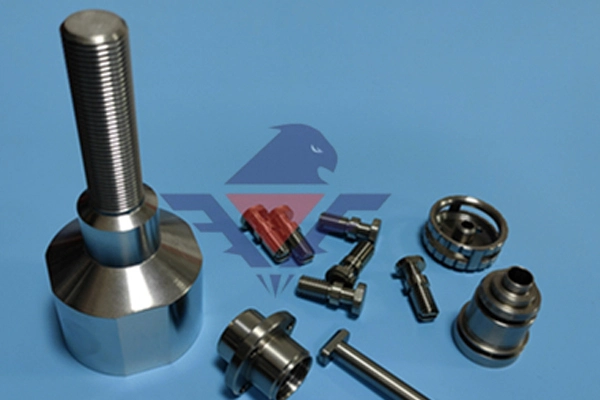
Swiss machining represents the pinnacle of precision manufacturing for complex components. This specialized machining technique, originating from Switzerland’s watchmaking industry, has evolved into a critical process for producing high-precision parts across various industries.
Unlike conventional CNC machining, Swiss machining utilizes a sliding headstock and guide bushing to provide exceptional stability during the cutting process. This unique approach allows for:
– Superior dimensional accuracy
– Exceptional surface finishes
– Tight tolerances (±0.0002 inches achievable)
– Minimal vibration during operation
## Key Advantages of Swiss Machining
### 1. Unmatched Precision for Small Parts
Swiss machining excels at producing small, intricate components with diameters typically ranging from 0.5mm to 32mm. The guide bushing system provides unparalleled support close to the cutting tool, minimizing deflection and ensuring consistent precision throughout the machining process.
### 2. Complex Geometries Made Simple
The multi-axis capabilities of modern Swiss machines enable the production of complex features in a single setup:
– Cross-drilled holes
– Threaded surfaces
– Contoured profiles
– Micro-machined details
### 3. Superior Surface Finishes
The inherent stability of Swiss machining produces exceptional surface finishes, often eliminating the need for secondary operations. Typical surface finishes range from 8 to 32 microinches Ra, with even finer finishes possible with proper tool selection and parameters.
## Industries Benefiting from Swiss Machining
### Medical Device Manufacturing
The medical industry relies heavily on Swiss machining for:
– Surgical instruments
– Implant components
– Dental devices
– Microfluidic components
### Aerospace Applications
Critical aerospace components benefit from Swiss machining’s precision:
– Fuel system parts
– Sensor housings
– Actuator components
– Fasteners and fittings
### Electronics and Microtechnology
The electronics industry utilizes Swiss machining for:
– Connector pins
– RF components
– Miniature housings
– Precision shafts
## Choosing the Right Swiss Machining Partner
When selecting a Swiss machining provider, consider these critical factors:
– Machine capabilities and tooling options
– Material expertise (especially with exotic alloys)
– Quality control processes
– Certifications (ISO, AS9100, etc.)
– Prototyping vs. production capabilities
The best partners combine advanced technology with engineering expertise to deliver optimal solutions for your specific component requirements.
Keyword: Swiss Machining
## Future Trends in Swiss Machining
The Swiss machining industry continues to evolve with:
– Integration of Industry 4.0 technologies
– Advanced automation solutions
– Improved tool materials and coatings
– Hybrid machining capabilities
– Enhanced software for complex programming
These advancements ensure Swiss machining remains at the forefront of precision manufacturing for years to come.