Precision Swiss Machining for Complex Components
本身
html
Precision Swiss Machining for Complex Components
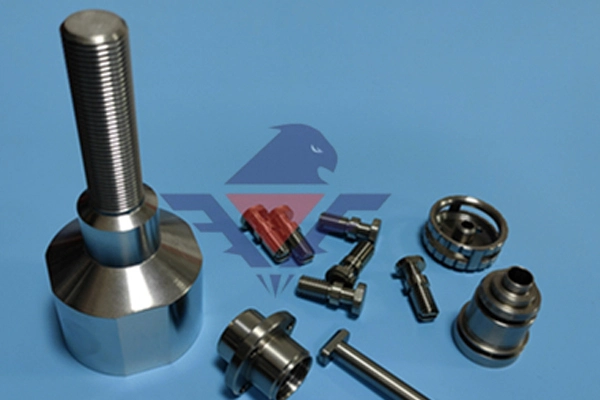
Swiss machining, also known as Swiss turning or Swiss screw machining, is a highly precise manufacturing process designed to produce small, intricate, and complex components with exceptional accuracy. This advanced technique is widely used in industries such as medical, aerospace, electronics, and automotive, where tight tolerances and superior surface finishes are critical.
What Makes Swiss Machining Unique?
Unlike conventional CNC turning, Swiss machining utilizes a sliding headstock and guide bushing to support the workpiece close to the cutting tool. This innovative approach minimizes deflection and vibration, allowing for unparalleled precision even when machining long, slender parts. The process is particularly effective for producing components with diameters as small as 0.5mm while maintaining micron-level tolerances.
Key Advantages of Swiss Machining
The benefits of Swiss machining make it an ideal choice for manufacturing complex components:
- Exceptional precision with tolerances as tight as ±0.0002 inches
- Ability to machine small, delicate parts without deformation
- Simultaneous multi-axis operations for complex geometries
- Excellent surface finishes, often eliminating secondary operations
- Reduced material waste through efficient bar stock utilization
Applications Across Industries
Swiss machining has become indispensable in various high-tech sectors:
Keyword: Swiss Machining
Medical Industry
The medical field relies on Swiss machining for surgical instruments, implants, and diagnostic equipment components that demand absolute precision and biocompatibility.
Aerospace and Defense
Critical aerospace components such as fuel system parts, sensors, and connectors benefit from the reliability and precision of Swiss machining.
Electronics
The electronics industry uses Swiss-machined parts for connectors, pins, and miniature components in devices ranging from smartphones to industrial equipment.
Choosing the Right Swiss Machining Partner
When selecting a Swiss machining provider, consider these factors:
- Experience with your specific industry requirements
- Range of materials they can machine (including exotic alloys and plastics)
- Quality certifications and inspection capabilities
- Capacity for both prototyping and high-volume production
- Value-added services like secondary operations and assembly
With its unmatched precision and versatility, Swiss machining continues to push the boundaries of what’s possible in component manufacturing, enabling the creation of increasingly sophisticated parts that power modern technology across industries.