标题不超过15个单词。 Precision Swiss Machining for Complex Components
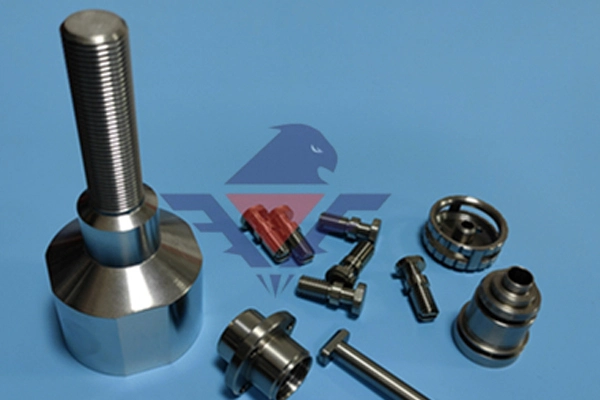
。
# Precision Swiss Machining for Complex Components
## What is Swiss Machining?
Swiss machining, also known as Swiss screw machining or Swiss turning, is a specialized precision machining process that excels at producing small, complex, and high-precision components. Originating from Switzerland’s watchmaking industry, this advanced technique has evolved to serve various high-tech sectors requiring tight tolerances and exceptional surface finishes.
## Key Advantages of Swiss Machining
The Swiss machining process offers several distinct benefits for manufacturing complex parts:
– Exceptional precision with tolerances as tight as ±0.0001″
– Ability to machine long, slender parts without deflection
– Simultaneous multi-axis operations for increased efficiency
– Superior surface finishes often eliminating secondary operations
– Reduced material waste compared to conventional machining
Keyword: Swiss Machining
## Industries That Benefit from Swiss Machining
Several industries rely on Swiss machining for their critical components:
– Medical: Surgical instruments, implants, and diagnostic equipment
– Aerospace: Fuel system components, sensors, and fasteners
– Electronics: Connectors, contacts, and miniature housings
– Automotive: Fuel injection parts, sensors, and transmission components
– Defense: Precision components for firearms and guidance systems
## The Swiss Machining Process Explained
Unlike conventional lathes, Swiss machines use a sliding headstock and guide bushing system that provides exceptional support to the workpiece. This unique configuration allows for:
– Continuous feeding of bar stock through the guide bushing
– Minimal vibration during machining operations
– Precise control over cutting forces
– Ability to perform multiple operations in a single setup
## Material Capabilities
Swiss machining centers can work with a wide range of materials, including:
– Metals: Stainless steel, titanium, aluminum, brass, and exotic alloys
– Plastics: Delrin, PEEK, Ultem, and other engineering thermoplastics
– Composites: Various reinforced materials for specialized applications
## Choosing the Right Swiss Machining Partner
When selecting a Swiss machining provider, consider these factors:
– Experience with your specific industry requirements
– Quality certifications and process controls
– Equipment capabilities and technological advancements
– Prototyping and production volume flexibility
– Secondary service offerings (plating, heat treating, etc.)
## Future of Swiss Machining Technology
The Swiss machining industry continues to evolve with:
– Advanced CNC controls for greater precision
– Integration of automation and robotics
– Improved tooling materials and coatings
– Enhanced monitoring systems for quality assurance
– Development of hybrid machines combining milling and turning capabilities
For manufacturers requiring high-precision, complex components with tight tolerances, Swiss machining remains an indispensable solution that combines efficiency with exceptional quality.