Swiss Machining: Precision Engineering for Complex Components
html
Swiss Machining: Precision Engineering for Complex Components
Keyword: Swiss Machining
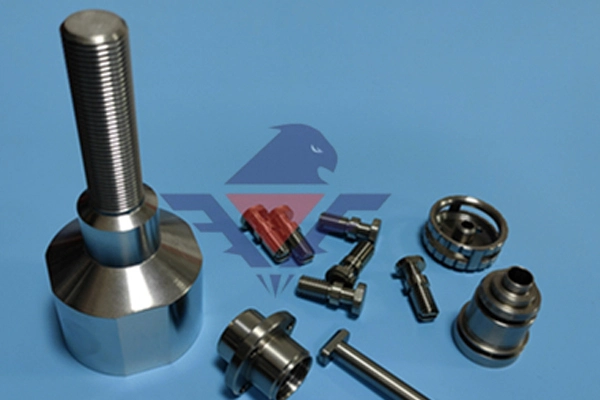
Swiss machining, also known as Swiss screw machining or Swiss turning, is a specialized manufacturing process renowned for its ability to produce highly precise and complex components. Originating in Switzerland’s watchmaking industry, this technique has evolved to serve a wide range of industries, including medical, aerospace, and automotive.
What is Swiss Machining?
Swiss machining is a type of CNC (Computer Numerical Control) lathe machining that excels in creating small, intricate parts with tight tolerances. Unlike conventional lathes, Swiss machines use a sliding headstock and guide bushing to support the workpiece close to the cutting tool. This unique setup minimizes deflection and vibration, enabling exceptional precision even for long, slender components.
Key Advantages of Swiss Machining
The Swiss machining process offers several distinct benefits:
- High Precision: Capable of maintaining tolerances as tight as ±0.0001 inches
- Complex Geometries: Can produce intricate parts with multiple features in a single setup
- Efficiency: Simultaneous operations reduce production time
- Material Savings: Minimal waste due to precise material removal
- Surface Finish: Excellent surface quality often eliminates need for secondary operations
Applications of Swiss Machining
Swiss machining has become indispensable in industries requiring miniature precision components:
Medical Industry
Used for surgical instruments, implants, and dental components where precision is critical.
Aerospace
Manufactures fuel system components, sensors, and other mission-critical aircraft parts.
Electronics
Produces connectors, pins, and other small electronic components.
Automotive
Creates fuel injection parts, transmission components, and sensors.
The Swiss Machining Process
The process typically involves these steps:
- Material (usually bar stock) is fed through the guide bushing
- The sliding headstock moves the material while tools perform operations
- Multiple tools can work simultaneously on different sections
- Parts are completed in a single setup, reducing handling errors
Choosing the Right Swiss Machining Partner
When selecting a Swiss machining provider, consider:
- Experience with your specific industry requirements
- Quality certifications (ISO, AS9100, etc.)
- Range of materials they can machine
- Inspection capabilities to verify tight tolerances
- Ability to handle both prototyping and production volumes
Swiss machining continues to be the gold standard for precision manufacturing of small, complex components. Its unique capabilities make it an essential process for industries where accuracy, repeatability, and quality are non-negotiable.