Starch Sugar: A Comprehensive Guide to Its Uses and Benefits
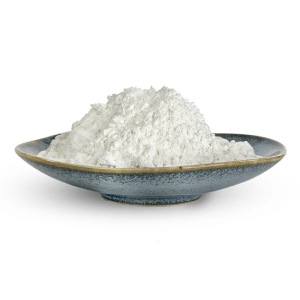
# Starch Sugar: A Comprehensive Guide to Its Uses and Benefits
## What Is Starch Sugar?
Starch sugar, also known as glucose syrup or corn syrup, is a sweetener derived from starch. It is produced by breaking down starch molecules into simpler sugars through enzymatic or acid hydrolysis. The most common sources of starch for sugar production include corn, wheat, potatoes, and tapioca.
This versatile sweetener has become an essential ingredient in many food products due to its functional properties and cost-effectiveness compared to other sweeteners.
## Types of Starch Sugar
There are several types of starch sugar available, each with different properties:
– Glucose syrup: The most basic form with varying degrees of sweetness
– High-fructose corn syrup (HFCS): Contains higher levels of fructose for increased sweetness
– Maltodextrin: Less sweet with higher molecular weight
– Dextrose: Pure glucose in crystalline form
## Production Process
The production of starch sugar involves several key steps:
1. Starch extraction from raw materials
2. Liquefaction using enzymes or acids
3. Saccharification to break down starch into sugars
4. Purification and concentration
5. Optional isomerization (for HFCS)
## Common Uses in Food Industry
Starch sugar serves multiple purposes in food manufacturing:
– Sweetener in beverages, baked goods, and confectionery
– Texture modifier in ice cream and frozen desserts
– Moisture retention in baked goods
– Fermentation substrate in brewing and biofuel production
– Browning agent in baked goods and processed meats
## Nutritional Aspects
While starch sugar provides energy (4 calories per gram), it’s important to consider:
– High glycemic index (especially for pure glucose forms)
– Minimal micronutrient content
– Potential contribution to excessive sugar consumption when overused
– Differences in metabolic effects between glucose and fructose
## Benefits in Food Processing
Food manufacturers value starch sugar for several technical advantages:
– Cost-effective alternative to sucrose
– Excellent solubility and mixability
– Prevents crystallization in candies and frostings
– Enhances shelf life of products
– Provides consistent quality and performance
## Health Considerations
Keyword: Starch Sugar
Current research suggests:
– Moderate consumption as part of balanced diet is generally safe
– Excessive intake may contribute to metabolic disorders
– HFCS has similar metabolic effects to sucrose
– Individuals with diabetes should monitor intake carefully
– May be preferable to artificial sweeteners in some applications
## Future Trends
The starch sugar industry is evolving with:
– Development of cleaner label alternatives
– Increased demand for non-GMO and organic options
– Technological advances in production efficiency
– Growing interest in low-glycemic sweeteners
– Expansion in pharmaceutical and industrial applications
## Conclusion
Starch sugar plays a vital role in modern food production, offering both functional benefits and economic advantages. While it’s important to be mindful of consumption levels, this versatile ingredient continues to be a valuable tool for food manufacturers worldwide. As consumer preferences evolve, the industry is responding with innovative solutions to meet changing demands for healthier, more sustainable sweetening options.