Limulus Amebocyte Lysate (LAL) Reagents for Endotoxin Detection
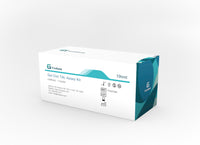
# Limulus Amebocyte Lysate (LAL) Reagents for Endotoxin Detection
## Introduction to LAL Reagents
Limulus Amebocyte Lysate (LAL) reagents have become the gold standard for endotoxin detection in pharmaceutical products, medical devices, and biotechnology applications. Derived from the blood cells of horseshoe crabs (Limulus polyphemus), these reagents provide a highly sensitive and specific method for detecting bacterial endotoxins.
## The Science Behind LAL Testing
The LAL test works based on a unique clotting mechanism found in horseshoe crab blood. When endotoxins from Gram-negative bacteria come into contact with LAL reagents, they trigger a cascade of enzymatic reactions that result in clot formation. This reaction forms the basis for three main types of LAL tests:
– Gel-clot method
– Turbidimetric method
– Chromogenic method
## Types of LAL Reagents
Several formulations of LAL reagents are available to meet different testing needs:
### 1. Gel-Clot LAL Reagents
The traditional and simplest form of LAL testing, providing qualitative or semi-quantitative results based on clot formation.
### 2. Turbidimetric LAL Reagents
Measure endotoxin concentration by detecting changes in turbidity caused by clot formation, offering quantitative results.
### 3. Chromogenic LAL Reagents
Use synthetic chromogenic substrates to produce color changes proportional to endotoxin concentration, providing highly sensitive quantitative measurements.
## Applications of LAL Testing
LAL reagents are widely used in various industries:
– Pharmaceutical manufacturing
– Medical device production
– Biotechnology research
– Quality control laboratories
– Water testing facilities
## Advantages of LAL Testing
Keyword: LAL Reagents for Endotoxin Testing
The use of LAL reagents offers several benefits:
– High sensitivity (detection down to 0.001 EU/mL)
– Specificity for endotoxins
– Rapid results compared to rabbit pyrogen tests
– Quantitative measurement capability
– Compliance with international pharmacopeias
## Regulatory Considerations
LAL testing is recognized by major regulatory bodies including:
– United States Pharmacopeia (USP)
– European Pharmacopoeia (EP)
– Japanese Pharmacopoeia (JP)
– Food and Drug Administration (FDA)
## Future Developments
Research continues to improve LAL reagents and testing methods, including:
– Recombinant alternatives to natural LAL
– Automated testing systems
– Enhanced sensitivity for novel applications
– Sustainable harvesting practices for horseshoe crabs
## Conclusion
LAL reagents remain an essential tool for endotoxin detection, providing reliable, sensitive, and regulatory-compliant testing solutions across multiple industries. As technology advances, these reagents continue to evolve while maintaining their critical role in ensuring product safety.