Rain Gauge: Measuring Precipitation for Weather Monitoring and Analysis
# Rain Gauge: Measuring Precipitation for Weather Monitoring and Analysis
## What Is a Rain Gauge Used For?
A rain gauge is a meteorological instrument designed to measure the amount of liquid precipitation (rainfall) that falls over a specific area during a set period of time. These essential tools help scientists, farmers, and weather enthusiasts track and analyze precipitation patterns with precision.
Primary Uses of Rain Gauges
Rain gauges serve several important functions in weather monitoring and climate studies:
- Weather forecasting: Meteorologists use rain gauge data to predict future weather patterns and issue warnings for potential floods
- Agricultural planning: Farmers rely on precipitation measurements to determine irrigation needs and crop planting schedules
- Hydrological studies: Water resource managers analyze rainfall data to monitor watershed health and plan water distribution
- Climate research: Long-term precipitation records help scientists track climate change patterns
- Urban planning: Cities use rainfall data to design effective drainage systems and flood control measures
Types of Rain Gauges
Several designs exist to measure precipitation accurately under different conditions:
Standard Cylinder Rain Gauge
The simplest design features a graduated cylinder that collects rainfall. Users manually measure the water depth at regular intervals.
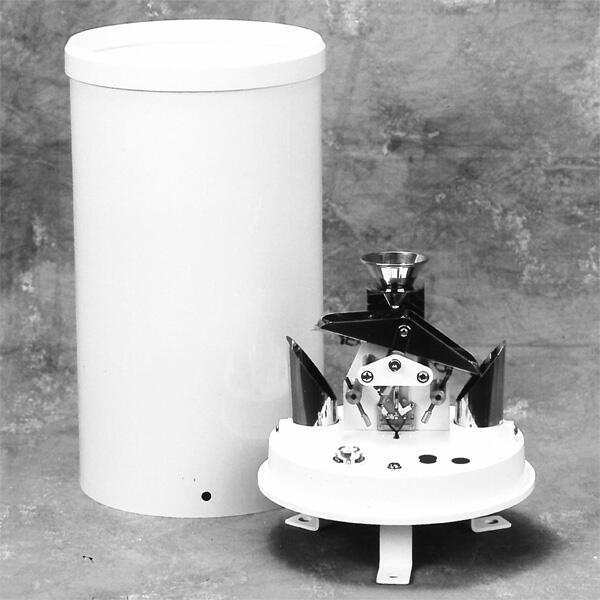
Tipping Bucket Rain Gauge
This automated version uses a small bucket that tips when filled with a specific amount of rainwater, sending electronic signals to record precipitation.
Weighing Rain Gauge
These sophisticated instruments measure precipitation by weight, allowing for continuous recording and the ability to measure frozen precipitation.
How Rain Gauges Work
The basic principle involves collecting precipitation in a standardized container and measuring the accumulated liquid. Most gauges measure rainfall in millimeters or inches, representing the depth of water that would cover a flat, impermeable surface.
For accurate measurements, rain gauges should be placed:
- In open areas away from trees or buildings
- At a standard height above ground (typically 30 cm to 1 meter)
- On level surfaces
- Away from sources of artificial precipitation (like sprinklers)
The Importance of Precipitation Measurement
Accurate rainfall data helps us understand and respond to weather patterns that affect our daily lives. From predicting droughts to preparing for severe storms, rain gauges provide the fundamental data needed for informed decision-making in numerous fields.
Modern weather stations often combine rain gauges with other instruments to create comprehensive weather monitoring systems, demonstrating how this simple yet vital tool remains at the heart of meteorological science.
Keyword: what is a rain gauge used for