Light Detector Sensor Technology
# Light Detector Sensor Technology
## Introduction to Light Detector Sensors
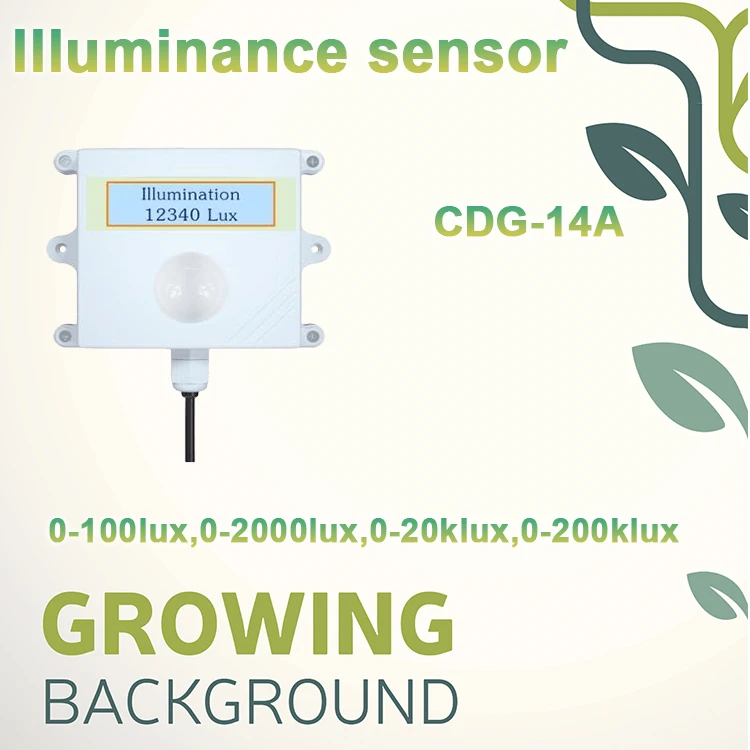
Light detector sensors are essential components in various electronic devices and systems. These sensors detect the presence, intensity, or absence of light and convert it into an electrical signal that can be measured and analyzed. They play a crucial role in applications ranging from simple automatic lighting systems to complex scientific instruments.
## Types of Light Detector Sensors
There are several types of light detector sensors available, each with its unique characteristics and applications:
### Photodiodes
Photodiodes are semiconductor devices that convert light into current or voltage. They are widely used in optical communication systems, light meters, and medical equipment.
### Phototransistors
Phototransistors are light-sensitive transistors that offer higher sensitivity than photodiodes. They are commonly used in object detection, light barriers, and optocouplers.
### Photoresistors (LDRs)
Light Dependent Resistors (LDRs) change their resistance based on light intensity. These are often found in simple light-sensitive circuits like street light controls and camera exposure meters.
## Applications of Light Detector Sensors
Light detector sensors have numerous applications across various industries:
– Automatic lighting systems in homes and offices
– Security systems with light-based triggers
– Industrial automation for object detection
– Environmental monitoring systems
– Consumer electronics like smartphones and tablets
– Automotive systems for automatic headlight control
## Advancements in Light Detection Technology
Recent advancements in light detector sensor technology have led to:
– Improved sensitivity and accuracy
– Smaller form factors for integration into compact devices
– Lower power consumption for battery-operated applications
– Enhanced spectral response for specific wavelength detection
– Better noise reduction capabilities
## Choosing the Right Light Detector Sensor
When selecting a light detector sensor for your application, consider the following factors:
– Required sensitivity and detection range
– Spectral response matching your light source
– Response time for dynamic applications
– Environmental conditions (temperature, humidity)
– Power consumption constraints
– Cost and availability
## Future of Light Detector Sensors
The future of light detector sensor technology looks promising with ongoing research in:
– Quantum dot-based photodetectors
– Organic photodetectors for flexible electronics
– AI-enhanced light sensing systems
– Integration with IoT devices for smart environments
– Nanotechnology applications in ultra-sensitive detectors
As technology continues to evolve, light detector sensors will become even more sophisticated, enabling new applications and improving existing systems across various industries.
Keyword: light detector sensor