**Wind Direction Measurement Instrument**
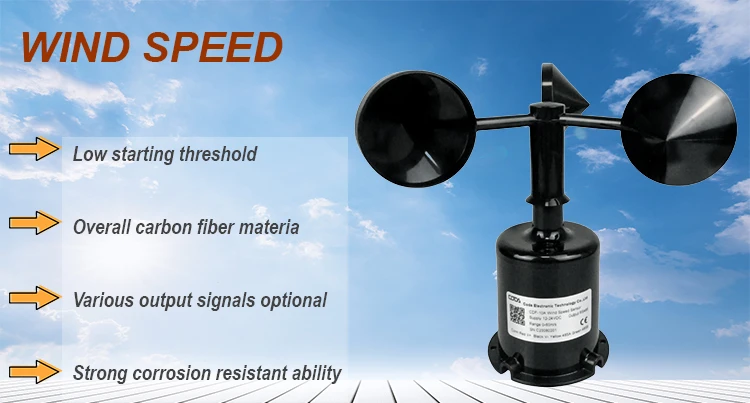
# Wind Direction Measurement Instrument
Understanding Wind Direction Measurement
Wind direction is a crucial meteorological parameter that affects weather forecasting, aviation, marine navigation, and various industrial applications. Measuring wind direction accurately requires specialized instruments designed to detect and record the horizontal movement of air.
Types of Wind Direction Measurement Instruments
1. Wind Vanes
The most traditional instrument for measuring wind direction is the wind vane, also known as a weather vane. This simple mechanical device consists of an arrow-shaped pointer that rotates freely on a vertical axis. The arrow always points into the wind, indicating the direction from which the wind is blowing.
2. Anemometers with Direction Sensors
Modern anemometers often combine wind speed and direction measurement capabilities. These instruments typically use a wind vane mechanism coupled with electronic sensors to provide digital readings. Some advanced models incorporate ultrasonic technology for more precise measurements.
3. Sonic Anemometers
These sophisticated instruments measure wind direction by analyzing the time it takes for ultrasonic pulses to travel between transducers. Sonic anemometers can detect rapid changes in wind direction and are commonly used in research and aviation applications.
How Wind Direction Instruments Work
Wind direction measurement instruments operate on different principles:
- Mechanical vanes rely on physical movement and balance
- Electronic sensors convert mechanical movement into electrical signals
- Ultrasonic devices measure time-of-flight of sound waves
Applications of Wind Direction Measurement
Accurate wind direction data is essential for:
- Weather forecasting and climate studies
- Aviation and airport operations
- Marine navigation and offshore operations
- Wind energy production optimization
- Agricultural spraying operations
- Environmental monitoring
Choosing the Right Instrument
When selecting a wind direction measurement instrument, consider:
- Measurement accuracy requirements
- Environmental conditions (marine, industrial, etc.)
- Data recording and transmission needs
- Maintenance requirements
- Budget constraints
Modern wind direction instruments often integrate with weather stations and data logging systems, providing comprehensive environmental monitoring solutions for various professional applications.
Keyword: instrument measure wind direction