Cutlery Essentials: A Comprehensive Guide to Choosing the Right Tools for Your Kitchen
# Cutlery Essentials: A Comprehensive Guide to Choosing the Right Tools for Your Kitchen
When it comes to equipping your kitchen, cutlery is one of the most important aspects to consider. The right tools can make cooking and dining a seamless and enjoyable experience. In this guide, we’ll explore the essentials of cutlery and how to choose the best options for your needs.
## The Basics: What is Cutlery?
Cutlery refers to the tools used for preparing, serving, and eating food. This includes knives, forks, spoons, and other utensils. While the term is often used interchangeably with “flatware,” cutlery specifically focuses on the cutting and preparation aspects of kitchen tools.
### Types of Cutlery
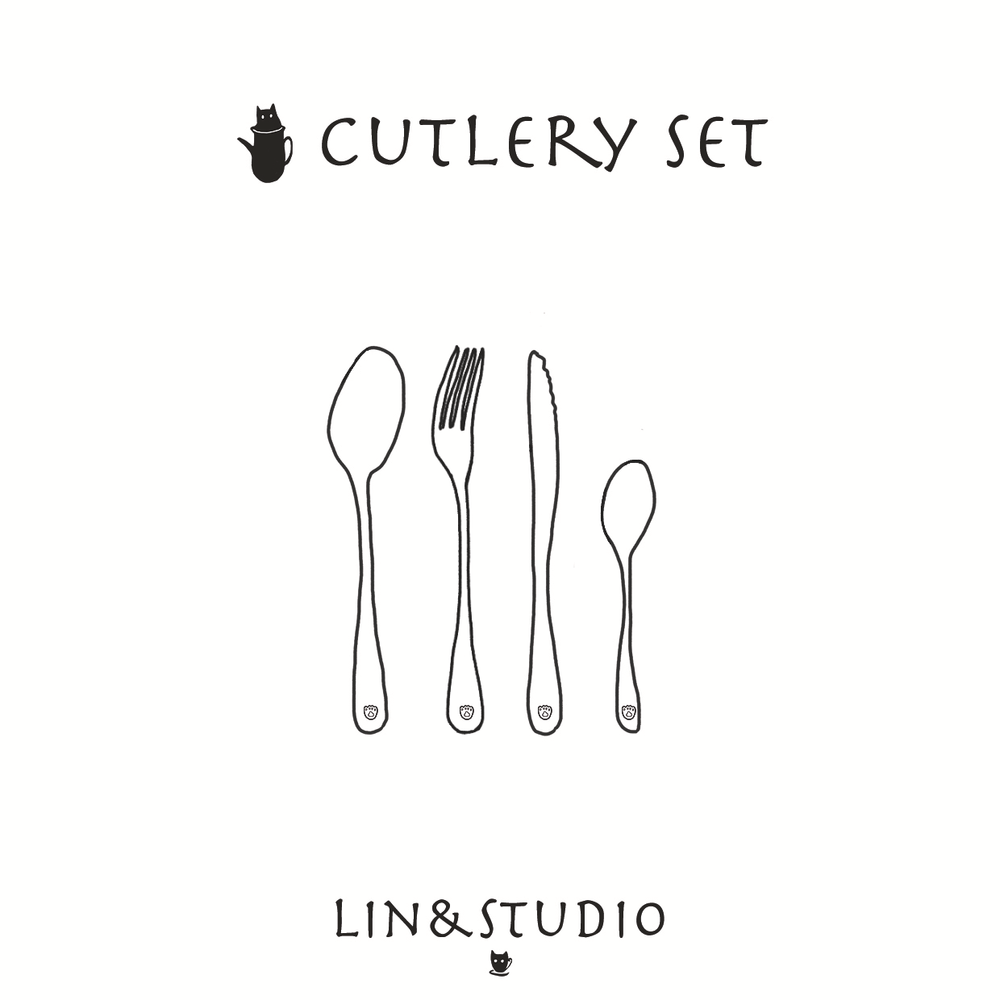
Understanding the different types of cutlery is crucial for making informed choices. Here are the main categories:
– **Knives**: The backbone of any kitchen, knives come in various shapes and sizes, each designed for specific tasks. Common types include chef’s knives, paring knives, and bread knives.
– **Forks**: Essential for serving and eating, forks vary in design depending on their purpose, such as dinner forks, salad forks, and dessert forks.
– **Spoons**: From stirring to serving, spoons are versatile tools. Types include teaspoons, tablespoons, and serving spoons.
– **Specialty Utensils**: These include tools like butter knives, steak knives, and fish forks, which are designed for specific foods or dining experiences.
## Choosing the Right Cutlery
Selecting the right cutlery depends on your cooking habits, dining preferences, and budget. Here are some factors to consider:
### Material Matters
The material of your cutlery affects its durability, maintenance, and performance. Common materials include:
– **Stainless Steel**: Durable, rust-resistant, and easy to clean, stainless steel is a popular choice for most households.
– **Silver**: Elegant and timeless, silver cutlery is often reserved for special occasions due to its higher cost and maintenance requirements.
– **Plastic**: Lightweight and affordable, plastic cutlery is ideal for casual settings or outdoor events.
### Ergonomics and Comfort
Comfort is key when using cutlery, especially for tasks that require precision, like chopping or slicing. Look for handles that fit comfortably in your hand and provide a secure grip. Weight distribution is also important—balanced knives, for example, reduce strain during prolonged use.
### Maintenance and Care
Consider how much time and effort you’re willing to invest in maintaining your cutlery. Stainless steel is low-maintenance, while silver requires regular polishing. Dishwasher-safe options can save time, but some materials, like wood or certain plastics, may require hand washing.
## Investing in Quality
While it may be tempting to opt for budget-friendly options, investing in high-quality cutlery can save you money in the long run. Durable materials and craftsmanship ensure that your tools last longer and perform better, making them a worthwhile addition to your kitchen.
### Matching Your Style
Cutlery isn’t just functional—it’s also a reflection of your personal style. Whether you prefer modern, minimalist designs or classic, ornate patterns, choose pieces that complement your kitchen’s aesthetic.
## Conclusion
Choosing the right cutlery is an essential step in creating a functional and enjoyable kitchen. By considering factors like material, comfort, and maintenance, you can find tools that suit your needs and elevate your cooking and dining experiences. Remember, quality and style go hand in hand, so take the time to select pieces that you’ll love using for years to come.
Keyword: cutlery