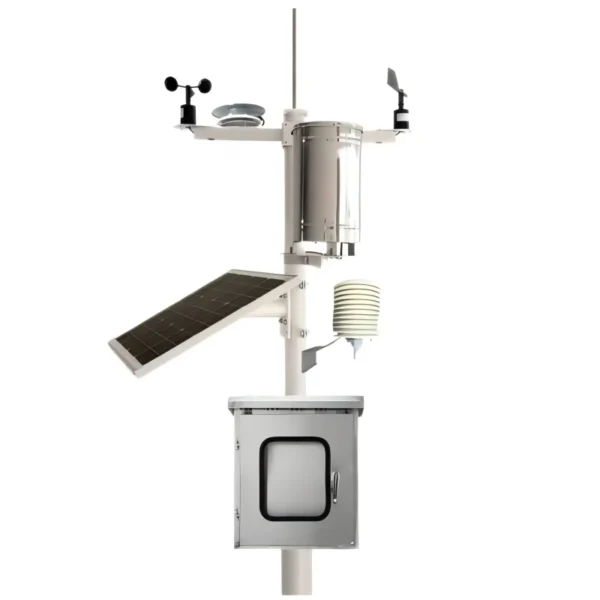
Automatic Weather Station: Advanced Technology for Accurate Meteorological Data Collection
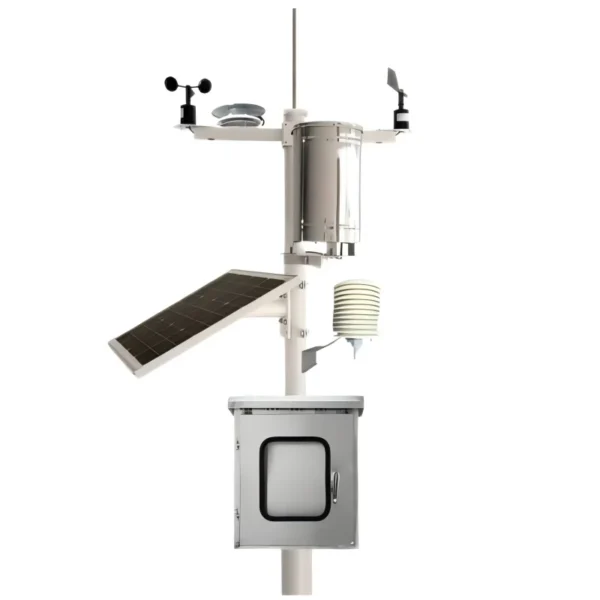
# Automatic Weather Station: Advanced Technology for Accurate Meteorological Data Collection
## Introduction to Automatic Weather Stations
An Automatic Weather Station (AWS) is a sophisticated system designed to collect and record meteorological data with minimal human intervention. These stations are equipped with various sensors that measure parameters such as temperature, humidity, wind speed, wind direction, rainfall, and atmospheric pressure. The data collected by AWS is crucial for weather forecasting, climate research, and various applications in agriculture, aviation, and disaster management.
## Components of an Automatic Weather Station
An AWS typically consists of several key components:
– Sensors: These are the primary devices that measure environmental parameters. Common sensors include thermometers, hygrometers, anemometers, rain gauges, and barometers.
– Data Logger: This device records the data collected by the sensors. It can store data locally or transmit it to a central database in real-time.
– Power Supply: AWS units are often powered by solar panels, batteries, or a combination of both to ensure continuous operation.
– Communication System: This system transmits the collected data to a central server or cloud-based platform for analysis and dissemination.
## Advantages of Using Automatic Weather Stations
The use of AWS offers numerous benefits:
– Accuracy: AWS provides highly accurate and reliable data due to the precision of its sensors and the elimination of human error.
– Real-Time Data: The ability to transmit data in real-time allows for timely weather forecasts and immediate response to changing conditions.
– Cost-Effectiveness: Once installed, AWS requires minimal maintenance, reducing operational costs over time.
– Scalability: AWS can be deployed in various locations, from urban areas to remote regions, making it a versatile tool for meteorological data collection.
## Applications of Automatic Weather Stations
AWS has a wide range of applications across different sectors:
– Agriculture: Farmers use AWS data to optimize irrigation, manage crops, and predict weather-related risks.
– Aviation: Accurate weather data is essential for flight safety and efficient air traffic management.
– Disaster Management: AWS helps in monitoring and predicting natural disasters such as hurricanes, floods, and droughts, enabling timely evacuation and resource allocation.
– Climate Research: Long-term data collected by AWS contributes to understanding climate patterns and trends, aiding in the development of climate models.
## Future Trends in Automatic Weather Stations
The future of AWS is marked by advancements in technology and increased integration with other systems:
– IoT Integration: AWS is increasingly being integrated with the Internet of Things (IoT), allowing for more comprehensive data collection and analysis.
– Artificial Intelligence: AI algorithms are being developed to enhance the accuracy of weather predictions and automate data analysis.
– Miniaturization: Advances in sensor technology are leading to smaller, more portable AWS units that can be deployed in a wider range of environments.
– Enhanced Communication: Improved communication technologies, such as 5G, will enable faster and more reliable data transmission from AWS units.
## Conclusion
Automatic Weather Stations represent a significant leap forward in meteorological data collection. Their ability to provide accurate, real-time data with minimal human intervention makes them indispensable tools for weather forecasting, climate research, and various practical applications. As technology continues to evolve, AWS will play an increasingly important role in our understanding and management of the Earth’s atmosphere.
Keyword: automatic weather station